
5 Things Car Window Tinting Can Actually Protect You From
Car window tinting is often viewed primarily as a style choice, but its benefits extend far beyond mere aesthetics. This article delves into the extensive protective advantages offered by car window tinting, covering aspects related to health, safety, and comfort. By understanding these various facets, car owners can make informed decisions about investing in window tints, a choice that is both practical and protective in nature.
High-quality window tinting serves as a shield against various environmental and manmade threats. Whether the concern is protecting skin from harmful UV rays or safeguarding vehicle interiors from premature aging, window tinting has an array of uses. According to WANADA, U.S. drivers spend an average of 17,600 minutes driving each year. Because tinting can also improve driving safety and efficiency, the installation of window films should be seen as a wise and cost-effective choice rather than a luxury.
Protecting Against Harmful UV Rays
Ultraviolet radiation, primarily UVA and UVB rays, poses severe threats to human health and vehicle interiors. UVA rays accelerate skin aging and long-term tissue damage, while UVB rays cause immediate sunburns and significantly elevate skin cancer risks. Car window tinting acts as a persistent barrier, blocking up to 99% of these damaging rays. This protection helps lower the risk of skin cancer for frequent drivers and minimizes chronic eye strain, cataracts, and visual discomfort caused by harsh sunlight exposure during daily commutes. Long-term exposure to these unseen rays can subtly accumulate over years, making baseline solar protection an essential health decision for every driver.
Additionally, persistent UV radiation causes upholstery fading, dashboard cracking, and material degradation over time. Sunlight strips away the flexibility of natural leathers and causes synthetic vinyls to warp and snap under pressure. Advanced options like nano-ceramic and carbon-based car window tinting block these harmful rays without compromising visibility or signal transmission. By preserving interior leather, fabric, and plastics, quality window films protect the vehicle's aesthetic appeal, structural integrity, and long-term resale value, helping you avoid thousands of dollars in interior repair and re-upholstery expenses down the road.
The health benefits extend beyond individual comfort, as consistent solar shielding creates a far healthier cabin microclimate. Passengers, especially young children and elderly individuals with sensitive skin, benefit immensely from an environment that actively blocks carcinogenic radiation without requiring constant application of chemical sunscreens.
Reducing Solar Heat and Energy Costs
Direct solar heat can rapidly elevate cabin temperatures, making vehicles uncomfortable and forcing climate control systems to work harder. Car window tinting reflects and absorbs solar energy before it penetrates the glass, maintaining a cooler interior environment. This thermal reduction minimizes reliance on air conditioning, directly improving fuel efficiency for gas-powered vehicles and expanding driving range for electric vehicles by reducing battery draw. Keeping ambient cabin temperatures lower naturally lessens engine strain on scorching summer afternoons.
A cooler vehicle cabin enhances overall driving comfort, reducing fatigue, stress, and dehydration during long trips. When a car sits parked in open sunlight, unshielded glass acts like an oven, trapping thermal energy and turning interior surfaces scorching hot. Metal seatbelt buckles and leather steering wheels can reach temperatures capable of causing painful skin burns. Tinted glass drastically slows down this heat accumulation process, making re-entry significantly safer and more comfortable for families returning to their cars after a full afternoon out.
Specialized heat-rejecting materials, such as metalized and ceramic films, maximize solar rejection without interfering with electronic devices, GPS navigation, or cellular signals. Investing in solar control films ensures a pleasant driving environment while optimizing overall energy consumption and extending the operating lifespan of your vehicle's mechanical heating, ventilation, and air conditioning components.
Minimizing Dangerous Glare for Safety
Sun glare during sunrise, sunset, or bright mid-day hours creates severe visual hazards that reduce driver reaction times. High-quality car window tinting softens sunlight intensity without excessively darkening the view, ensuring visual clarity on the road. Effective glare reduction allows drivers to react faster to sudden stops, unexpected obstacles, pedestrian crossings, and rapidly changing traffic conditions. Tinted glass acts as a permanent optical filter, smoothing out extreme lighting shifts that normally force your eyes to constantly adjust between bright sky and dark asphalt.
Besides sunlight, artificial light sources like bright streetlights and oncoming high-beam headlights cause dangerous nighttime reflections and momentary flash blindness. Modern matrix LED headlights on trucks and SUVs can completely wash out a sedan driver's rearview mirror, creating disorienting visual fatigue. Window films filter out blinding glares from both natural and artificial sources, reducing eye strain and improving night vision capabilities across all seasons. This steady balance of incoming light significantly lowers driving exhaustion during long evening commutes.
Enhanced visual comfort contributes directly to safer driving performance by allowing eyes to remain relaxed and focused. Drivers can navigate reflective snowscapes, wet asphalt roads, and urban glass architecture without needing to constantly squint or adjust flip-down visors, keeping their visual attention centered where it matters most.
Enhancing Privacy and Preventing Theft
Tinted windows establish a layer of privacy that shields vehicle occupants and personal belongings from outside view. Obscuring the interior deters opportunistic theft by hiding valuable items left inside the car, such as electronics, tools, sensitive paperwork, and personal luggage. When potential thieves cannot easily scan the backseat or footwells for high-value targets, they are far more likely to bypass the vehicle entirely. This extra layer of discretion offers immense peace of mind whenever you must leave valuable equipment parked overnight in unfamiliar areas.
Thicker security window films also strengthen the glass, making unauthorized entry and forced break-ins significantly more difficult and time-consuming for potential intruders. Standard tempered side glass shatters instantly upon targeted impact, but reinforced tint films hold shattered pieces intact within the window frame. This added resistance creates a formidable physical delay, frustrating burglars and forcing them to abandon their attempts before completing a theft. The extra resistance gives alarm systems precious extra seconds to sound and draw immediate public attention.
This added privacy maintains personal space and peace of mind while commuting through busy urban areas, sitting in congested bumper-to-bumper traffic, or parking in secluded public lots. Vehicle owners must remain aware of local state regulations governing tint darkness percentages and reflectivity levels to ensure full legal compliance while enjoying the enhanced security benefits of professionally installed window film.
Preventing Glass Shattering During Impacts
Accidents, severe weather events, and flying road debris can cause automotive glass to shatter into hundreds of dangerous flying shards. Car window tinting holds fractured glass together upon impact, significantly mitigating the risk of airborne debris hitting passengers' faces and eyes. This protective binding capability provides vital safety benefits during side collisions, rollover accidents, hail storms, or vandal attacks. By containing razor-sharp fragments, the film prevents micro-cuts and severe laceration injuries across all passenger seating positions.
Modern film technology incorporates high-tensile materials that offer exceptional strength and tear resistance without adding noticeable thickness or distorting optical clarity. In severe side-impact collisions, tint films act as a flexible structural membrane, preventing fragmented glass from showering cabin occupants and keeping arms or hands inside the vehicle frame during a rollover. This structural reinforcement helps preserve the cabin's protective envelope when structural integrity matters most.
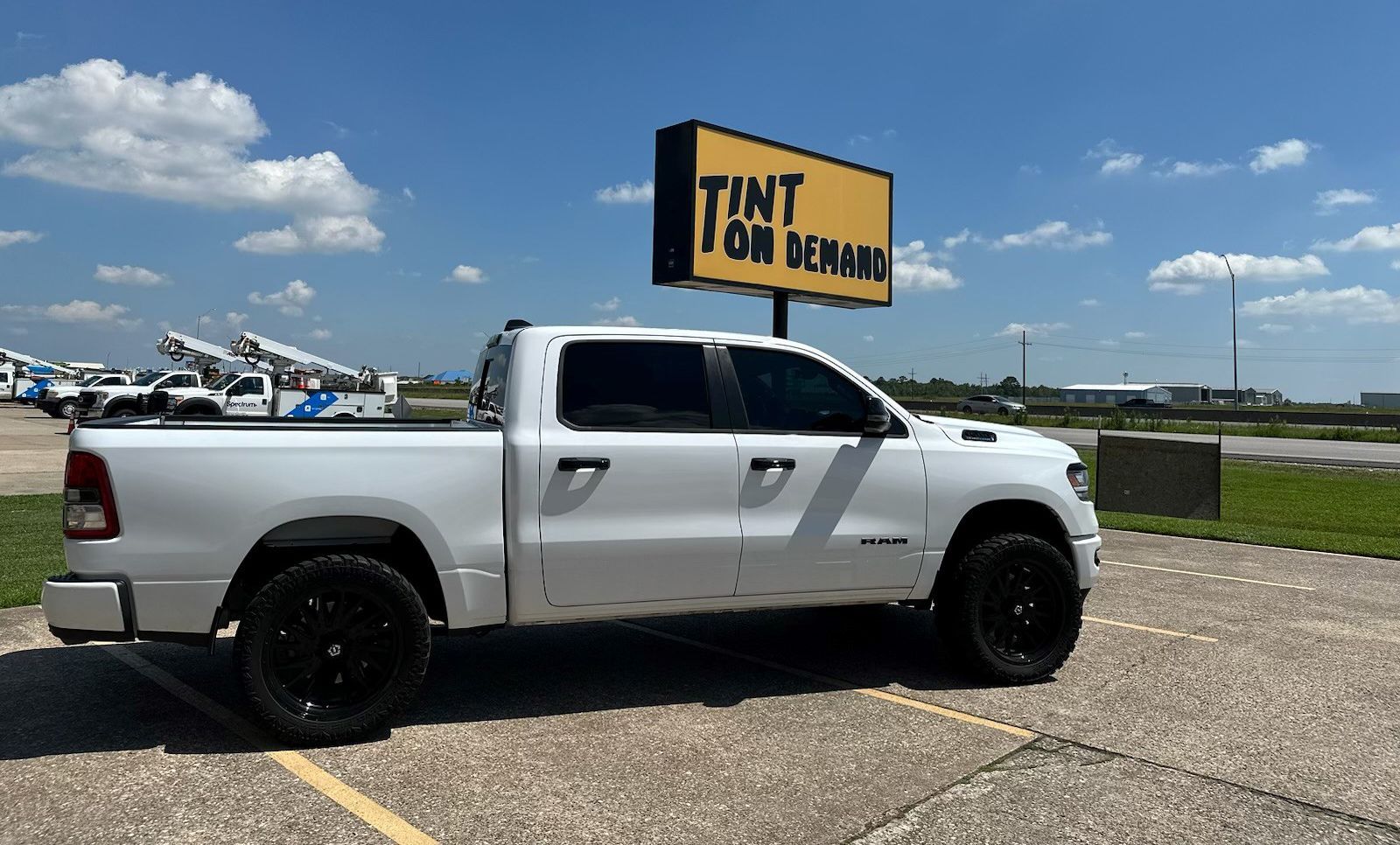
Emergency responders frequently cite tint films as effective safety barriers that reduce glass-related laceration injuries during serious highway crashes. By absorbing shock energy and binding compromised glass, tinted windows provide an invaluable secondary layer of physical defense for every passenger inside. For more information about the services that we offer, reach out to our incredible team at Tint On Demand today!
Share On: